Is Your Machine Ready for Automatic Profile Control?
Automatic profile control can improve cross-directional (CD) profile uniformity, process stability and production efficiency. However, installing automatic control alone does not guarantee better profile performance. The measurement system, profiling equipment and process itself must be capable of supporting reliable closed-loop control.
A paper, board, tissue or other web-processing machine is generally ready for automatic profile control when it has reliable CD measurement, responsive profiling actuators, correct actuator-to-measurement mapping and sufficiently stable process conditions.
Before moving to automatic profile control, it is therefore important to evaluate the complete control chain.
Start with the Process
The first step is understanding the current profile behavior. Are deviations relatively stable and repeatable, or does the profile change continuously because of other process disturbances?
Automatic control relies on a predictable relationship between an adjustment and its effect on the measured profile. Mechanical issues or unstable process conditions can interfere with this relationship and limit the performance of the control system.
Identifying these factors before implementing or optimizing automatic control provides a more reliable foundation for profiling.
Check the Profiling Equipment
Profiling equipment must respond accurately and consistently to commands from the control system.
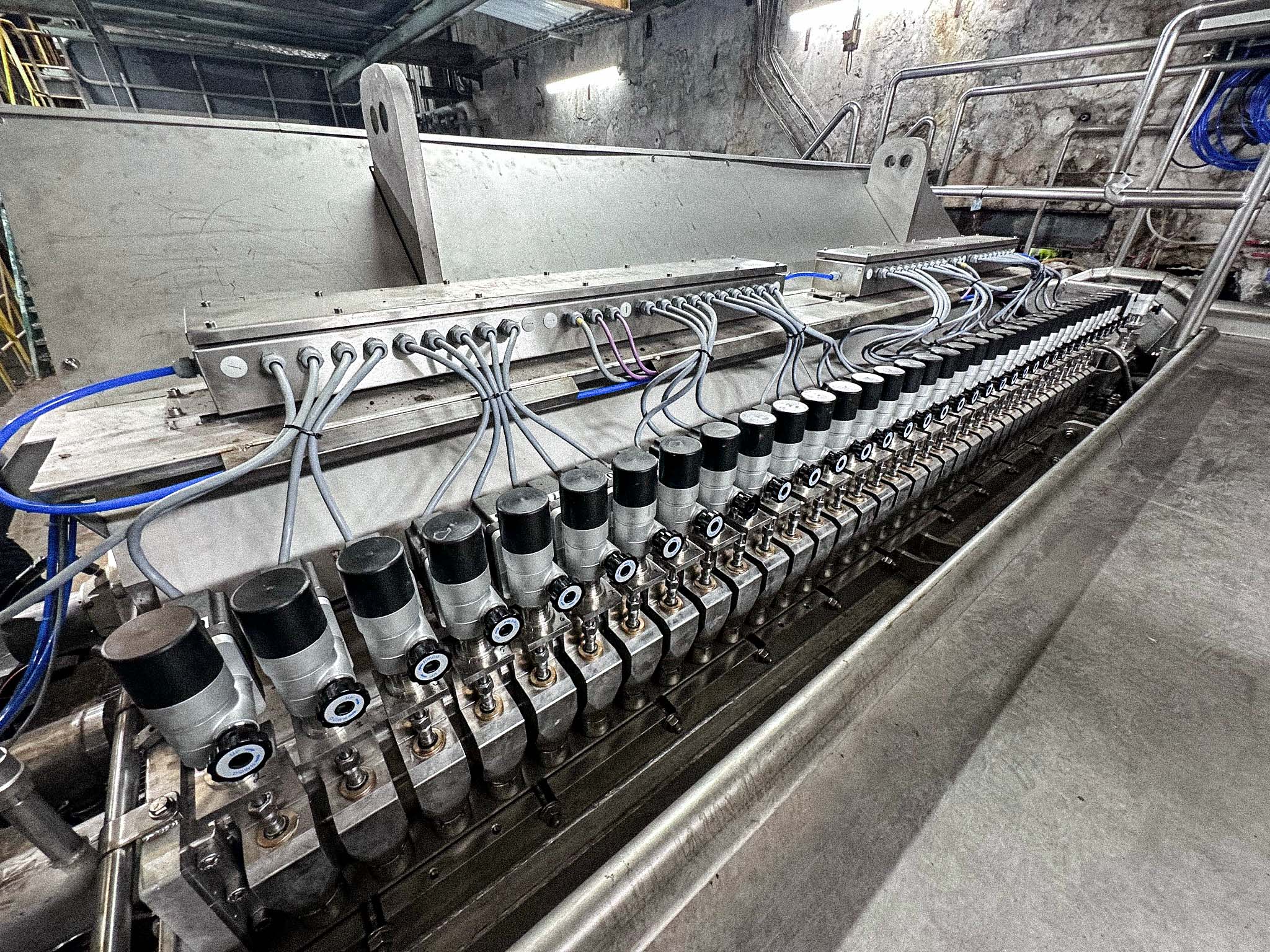
Depending on the application, profile control can involve equipment such as dilution actuators, slice actuators, steam profilers, moisturizers or coating profilers.
Actuators, valves and related mechanics should be checked for issues such as backlash, sticking, uneven response or insufficient adjustment range. If an actuator does not respond as expected, the control system cannot produce the intended profile correction reliably.
A bump test can help determine how individual actuators affect the measured CD profile and verify that the profiling equipment is responding correctly.
Ensure Reliable Profile Measurement
Reliable measurement is fundamental to automatic profile control because the control system makes its adjustments based on the measured profile.
The QCS must provide accurate and stable CD profile data with sufficient resolution for the property being controlled. Depending on the process, this could include basis weight, moisture, caliper, coat weight or other quality measurements.
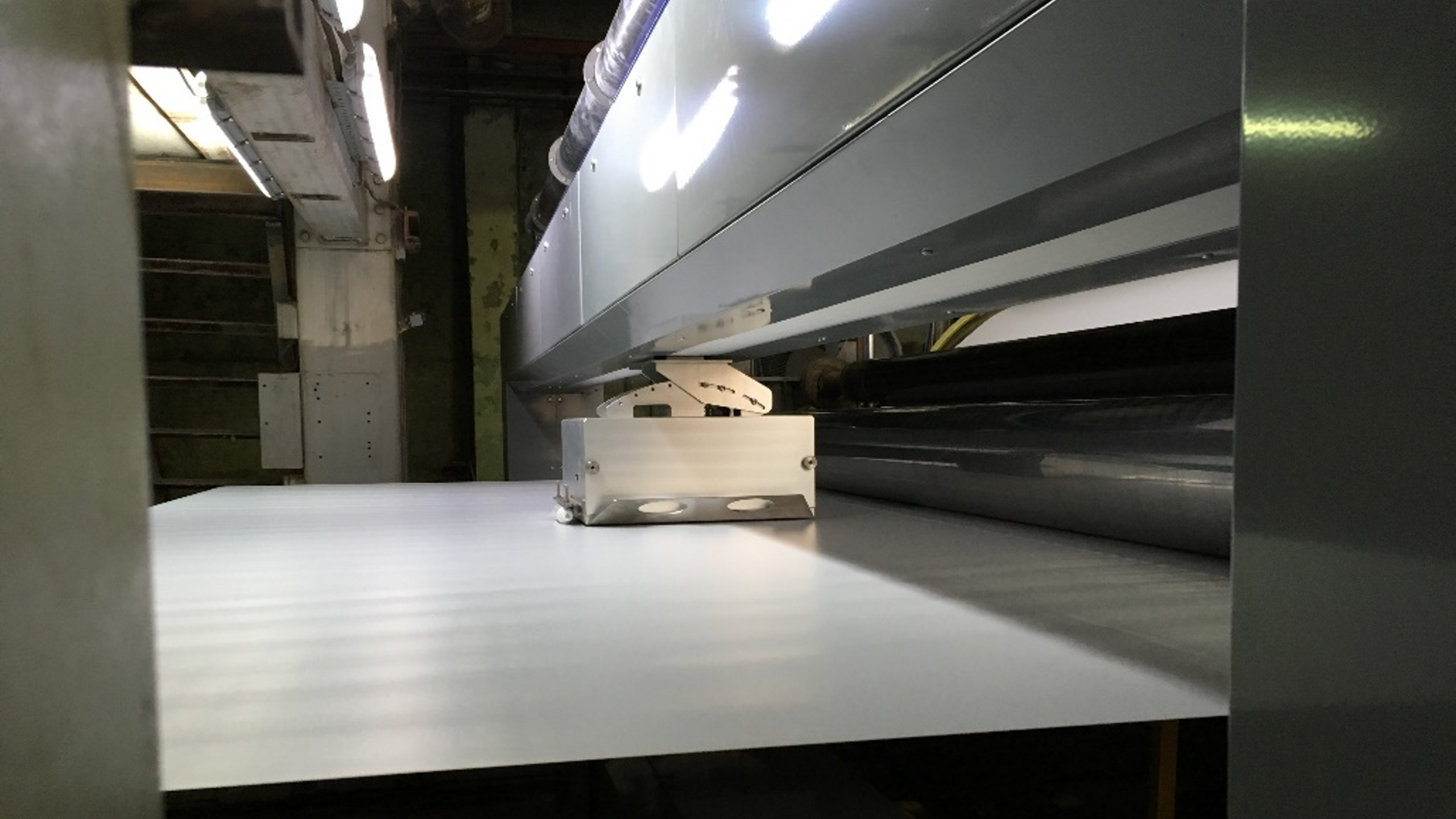
Scanner and sensor performance should therefore be evaluated as part of the complete profiling system rather than treating measurement and control as separate functions.
Verify Mapping and Process Response
The control system needs to know where the effect of each actuator appears in the measured profile.
The relationship is not always as simple as matching an actuator directly with the same cross-directional position at the scanner. As the sheet travels through the machine, shrinkage can change its width, affecting the relationship between the actuator positions and the final measured profile.
Reliable sheet edge detection helps the control system determine the actual position and width of the sheet at the scanner. Together with correct shrinkage compensation, this allows the measured CD profile to be accurately aligned with the corresponding profiling actuators.
The effect of an individual actuator can also extend across a wider area of the profile rather than affecting only one position. Correct actuator-to-measurement mapping, shrinkage compensation, process response identification and control tuning are therefore important for effective automatic CD profile control.
Existing Machines Can Be Upgraded
Automatic profile control is not limited to new machines. Existing paper, board, tissue, converting and nonwoven production lines can often be upgraded when the current process and equipment provide a suitable foundation.
In some installations, the existing profiling equipment may already be suitable for automatic control. In others, selected actuators, measurement equipment or control components may need to be serviced, rebuilt or modernized.
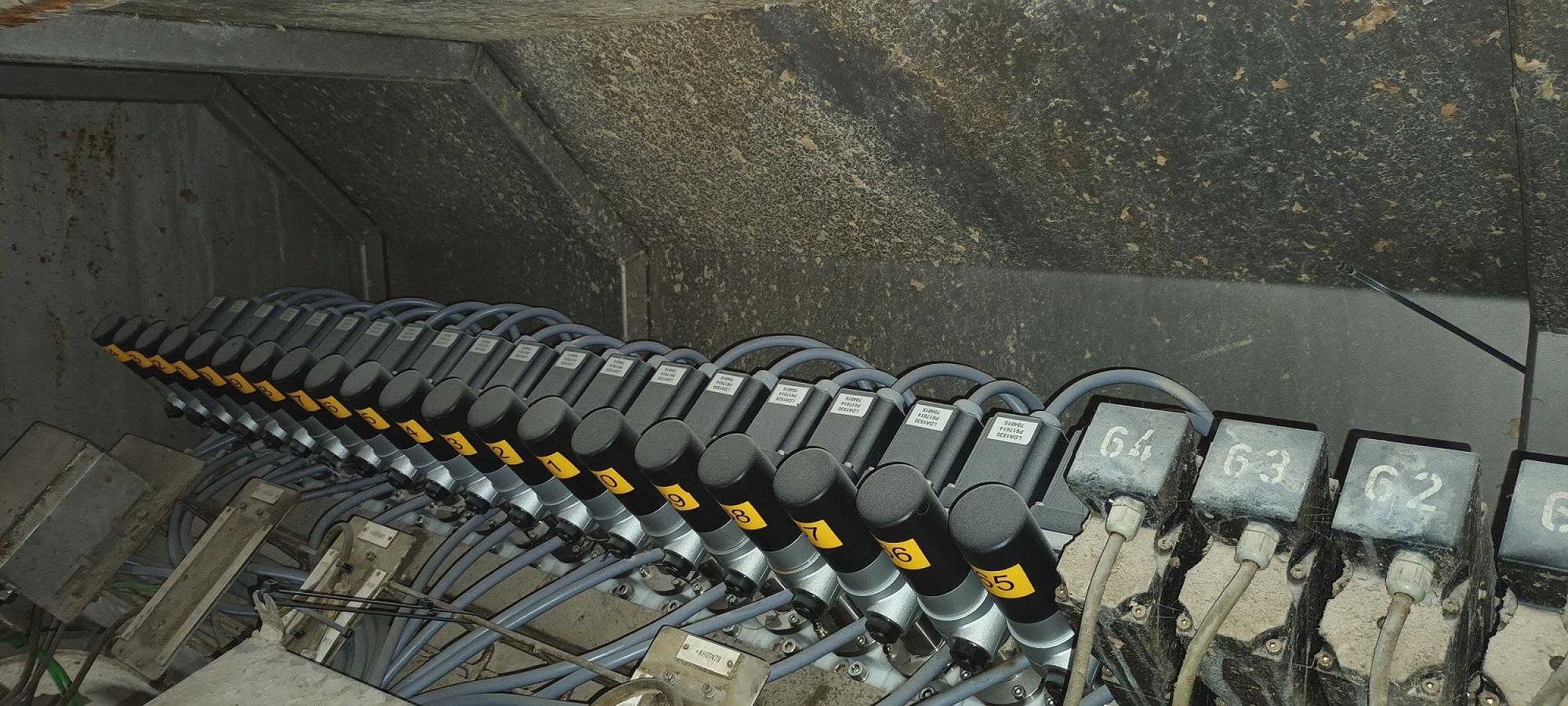
Evaluating the complete control chain helps determine what can remain in use and where improvements are needed.
From Evaluation to Automatic Profile Control
For an existing machine, the first step does not necessarily mean replacing the complete system. An audit can be used to evaluate the condition and performance of the existing equipment. By reviewing the measurement system, profiling equipment, controls, mapping and process response, Tasowheel can identify what is already suitable for automatic profile control and where servicing, modernization or further optimization is needed.
Is your machine ready for automatic profile control? Tasowheel can help you evaluate the existing system and determine the next steps.
Each system is customized to match your production environment, process requirements and specifications.